Your ecommerce fulfillment center is more important than ever for running a successful online business. It is not just a place to store and ship products—it is the heart of your operations. Ecommerce fulfillment covers everything from receiving inventory to delivering orders to customers and managing returns. In 2026, customers expect fast shipping, accurate orders, and smooth returns. A well-run fulfillment process encourages repeat purchases and positive word-of-mouth, while a poor process can hurt your brand reputation even if your products are excellent.
This guide will explain the full ecommerce fulfillment process, explore different fulfillment models, highlight the role of technology, and share ways to optimize your operations for sustainable growth.
Understanding Ecommerce Fulfillment: Models, Process, and Core Components
What Is Ecommerce Fulfillment?
Ecommerce fulfillment is the complete process of storing products, preparing customer orders, shipping them, and handling returns. It begins the moment a customer places an order and ends when the product is delivered and, if needed, returned and refunded.
The main stages include:
- Inventory receiving – Accepting products from suppliers and adding them to your system
- Storage – Organizing items in a warehouse for easy access
- Order processing – Receiving and confirming customer orders
- Picking – Collecting the correct items from storage
- Packing – Placing items in boxes safely and neatly
- Shipping – Sending packages through the chosen carrier
- Tracking – Monitoring deliveries and updating customers
- Returns management – Handling returns, exchanges, and refunds
Each stage must work efficiently to ensure that orders reach customers quickly and accurately.
Fulfillment Models: Choosing the Right Setup
There are three main fulfillment models. The right choice depends on your order volume, budget, and growth plans.
In-House Fulfillment
In-house fulfillment means you manage every step yourself. You store products, pack orders, and ship them from your own space.
Benefits:
- Full control over packaging and branding
- Easy to add personal touches
- Lower cost when order volume is small
Challenges:
- Requires storage space and staff
- Hard to manage during busy seasons
- Diverts time from marketing and product development
This model works well for small businesses with low monthly orders or highly customized products.
Third-Party Logistics (3PL)
A 3PL provider stores and ships products for you. You send inventory to their warehouse, and they handle the fulfillment process.
Benefits:
- Easy to scale as orders grow
- Access to lower shipping rates
- Faster delivery through multiple warehouse locations
- More time to focus on growing your brand
Challenges:
- Less control over packaging details
- Monthly storage and service fees
- Need strong communication with the provider
3PL fulfillment is ideal for growing businesses shipping 100+ orders per month or expanding to multiple regions.
Dropshipping
With dropshipping, you do not hold inventory. When a customer orders, the supplier ships directly to them.
Benefits:
- Low startup cost
- No warehouse space or staff needed
- Easy to test new products
Challenges:
- Lower profit margins
- Less control over shipping speed and quality
- Risk of stock shortages
Dropshipping works best for entrepreneurs testing business ideas or expanding a product catalog without inventory risk.
Step-by-Step Fulfillment Process
Understanding each stage helps you identify bottlenecks and opportunities for improvement.
Inventory Receiving and Storage
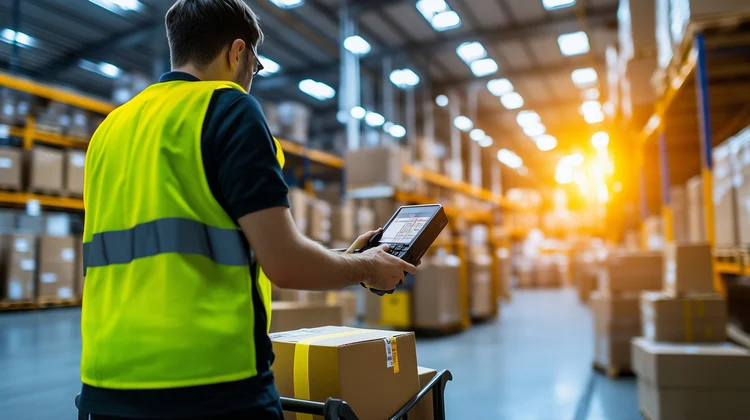
When products arrive, inspect them for damage and count them carefully. Organize items so fast-selling products are easy to access. Barcode systems or RFID help track inventory in real time, reducing errors and stockouts.
Order Processing and Picking
After an order is placed, the fulfillment system sends details to the warehouse. Staff then collect the correct items. Efficient methods include single order picking, batch picking, or zone picking, reducing walking time and mistakes.
Packing and Shipping
Packing protects products and creates the customer’s first physical impression. It should:
- Prevent damage
- Use the right-sized box to reduce shipping costs
- Include branding or personalized touches
- Minimize waste
Shipping should provide multiple delivery options, clear tracking, and accurate delivery times.
Returns Management
Returns are common in ecommerce. A smooth return process builds customer trust and loyalty.
Best practices:
- Clear return policies
- Easy online return requests
- Fast refunds
- Quality checks of returned items
Handling returns efficiently can turn a negative experience into a positive one.
Optimizing Your Ecommerce Fulfillment Strategy for Growth in 2026
The Role of Technology in Modern Fulfillment
Technology makes fulfillment faster, more accurate, and easier to scale.
Warehouse Management Systems (WMS)
A WMS tracks inventory, guides picking routes, and provides analytics. It reduces errors and helps improve speed.
Order Management Systems (OMS)
An OMS connects multiple sales channels, keeping inventory updated and preventing overselling.
Inventory Forecasting Tools
AI-powered inventory tools predict demand, helping avoid stockouts or excess inventory.
Automation and Robotics
Automated guided vehicles, robotic picking systems, and automated packing machines improve efficiency and lower labor costs.
Reducing Costs and Improving Efficiency
Use Distributed Inventory
Storing products in multiple locations shortens delivery times and lowers shipping costs.
Improve Packaging
Optimized packaging reduces shipping fees and waste. Eco-friendly boxes and minimal filler are highly valued by customers.
Work With Multiple Carriers
Using multiple carriers allows you to choose the most cost-effective option and avoid disruptions.
Fulfillment and Customer Retention
Effective fulfillment builds loyalty. Fast, accurate delivery with thoughtful packaging improves customer satisfaction and encourages repeat purchases. Including referral cards or discount codes in packages can generate word-of-mouth growth.
Common Challenges and Simple Solutions
Stockouts – Use demand forecasting and safety stock.
High shipping costs – Negotiate rates and optimize packaging.
Order mistakes – Use barcode scanning and quality checks.
Seasonal spikes – Plan early and hire temporary staff or coordinate with a 3PL.
Future Trends in Ecommerce Fulfillment
- Faster delivery and micro-fulfillment centers near customers
- Increased use of eco-friendly shipping options
- AI predicting demand and optimizing warehouse layouts
- Smaller urban warehouses for quicker delivery
Businesses that adapt to these trends will remain competitive.
Conclusion
Ecommerce fulfillment is more than a logistics task—it is a key driver of growth and customer loyalty. Whether you operate your own ecommerce fulfillment center, use a 3PL, or dropship, your focus should be on speed, accuracy, and a seamless customer experience.
In 2026, customers expect fast delivery, clear communication, and hassle-free returns. Optimizing inventory management, picking and packing, shipping, and returns creates memorable experiences that encourage repeat purchases and word-of-mouth marketing. Review your current processes, identify areas for improvement, and invest in technology where it adds the most value. A well-run fulfillment system can support growth, strengthen customer relationships, and help your business thrive.